
Tarsar Marsar Trek
The Tarsar Marsar Trek is one of the most scenic alpine lake treks in Kashmir, known for its lush meadows, high mountain landscapes and beautiful twin lakes hidden deep within the Himalayas. The trek takes travelers through remote valleys, shepherd trails and expansive grasslands before reaching the stunning lakes of Tarsar and Marsar. With its combination of dramatic scenery and moderate trekking difficulty, the Tarsar Marsar Trek is often considered one of the most rewarding trekking experiences in Kashmir.
Trek Summary
| Starting From | Srinagar | Ending at | Srinagar |
| No of days | 6 | Number of nights | 5 |
| Night stays at | Tent / Camp (5N) | ||
Tarsar Marsar Trek Overview
The Tarsar Marsar Trek typically spans 6 to 7 days and passes through the alpine landscapes of the Kashmir Himalayas. The route begins near the village of Aru, located close to Pahalgam, and gradually ascends through meadows, valleys and high mountain ridges.
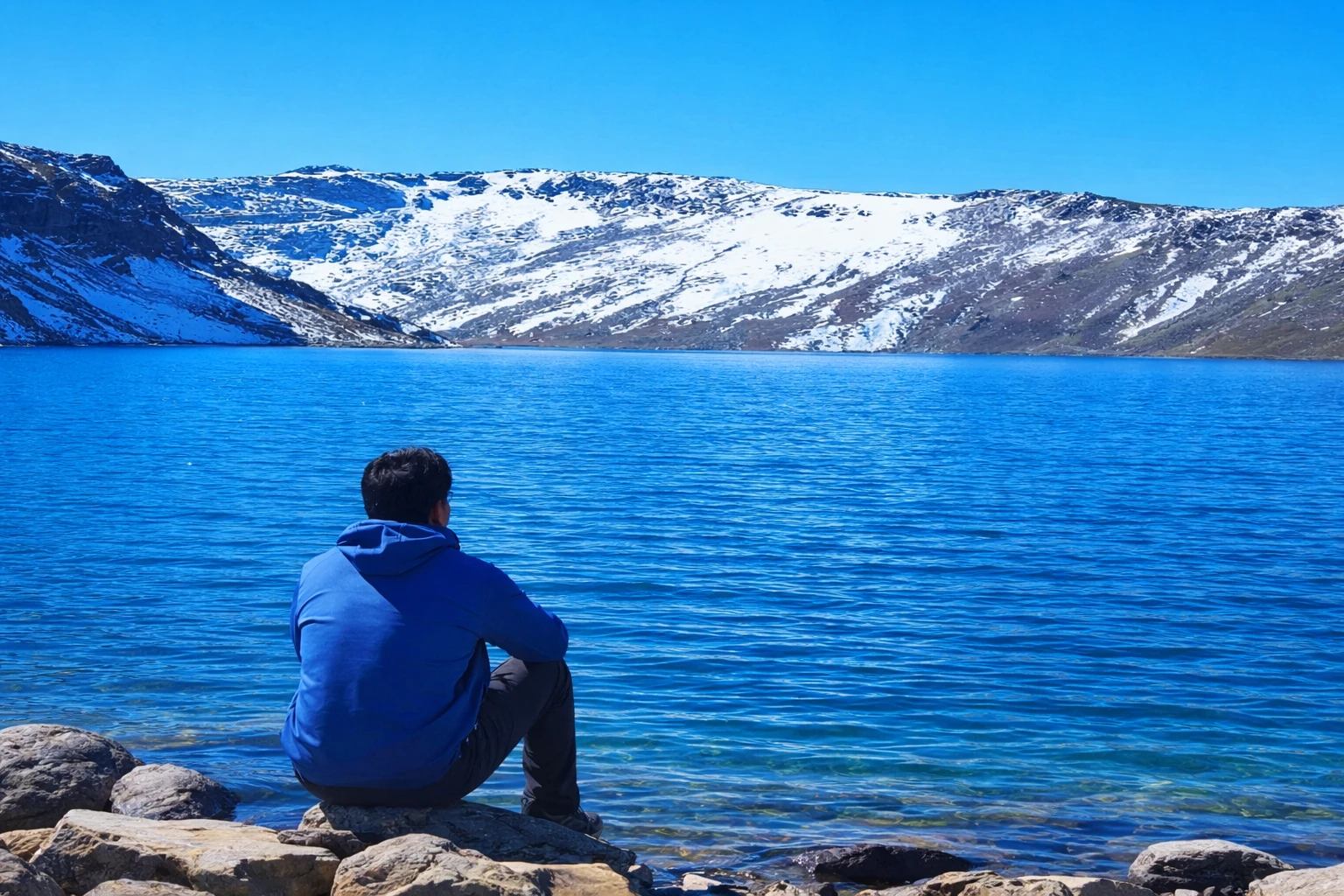
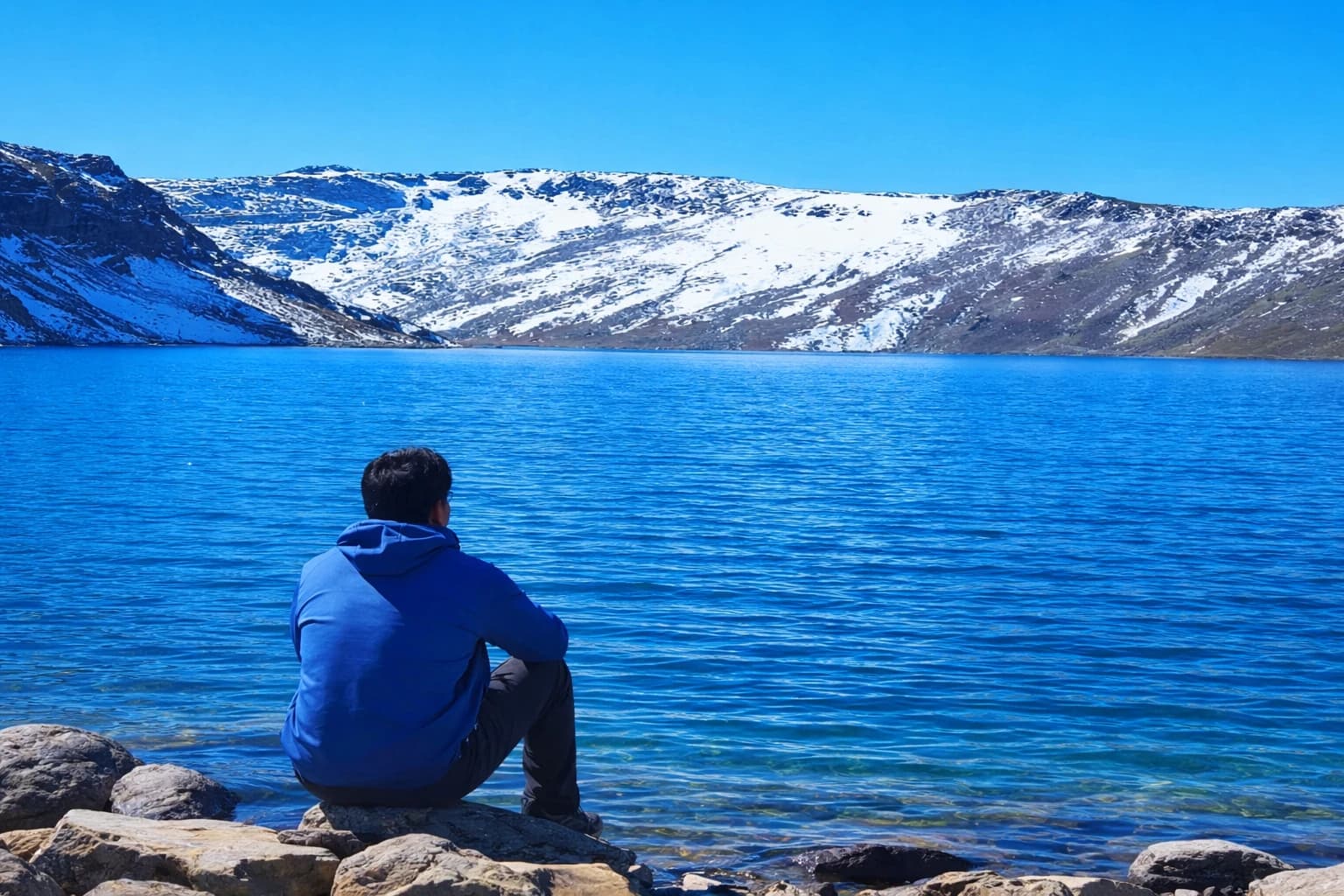
The trek leads to the twin alpine lakes of Tarsar and Marsar, which lie surrounded by towering mountain peaks and green valleys. These lakes are among the most beautiful high-altitude lakes in the region and are the main highlights of the trek.
Key Highlights of the Tarsar Marsar Trek
Tarsar Lake: A beautiful alpine lake surrounded by grassy mountain slopes.
Marsar Lake: A mysterious high-altitude lake often partially hidden by clouds.
Shepherd valleys: Scenic grazing lands with traditional shepherd camps.
Expansive meadows: Vast green landscapes throughout the trek.
Mountain passes: Panoramic viewpoints overlooking the valleys below.
Price Details
Trek Price
-
Trek price is ₹14,999 per person.
-
Prices vary depending on the departure batch.
-
Refer to the floating pricing panel for batch-wise pricing.
Tarsar Marsar Trek Itinerary
Day 1: Srinagar - Pahalgam - Aru
Pahalgam in Kashmir is a very notified town in the district of Anantnag. It provides an ideal setting for activities like hiking, trekking, and fishing. Pahalgam is also the starting point of the annual pilgrimage to the holy cave of Amarnath. It is about 100 Km from Srinagar. If you are flying to Srinagar, then you should take a shared cab to Pahalgam and spend the rest of your day here. The drive will take not more than 3 hours. From Pahalgam, Aru is across the Lidder River, and it will roughly take around 30 mins to cover the distance to Aru.
Overnight stay at a camp on twin-sharing basis.
Day 2: Aru - Lidderwat
Today we start our trek at around 7AM, because the trek will be a lengthy one than rest of the days. Although, the terrain is not steep and is very gradual ascend but it will take around 6-7 hours to cover the distance of 10 kms from Aru village. The trail takes you into dense fir trees and further upward. After some time suddenly all the dense fir tree vanishes and you end up in a clearing near the Gujjar Huts, called Dalla. After another half an hour of trek you cross two water streams, you can refill your water bottles here as these waters are straight out from glaciers and is very safe to drink. Reach campsite by evening.
Overnight stay at a camp on twin-sharing basis.
Day 3: Lidderwat - Sekhwas
From Lidderwat, the curves takes to Hamwas over the stream after soak strolling the trail ranges to Sekhwas at the altitude of 3400 meters. Sekhwas is high Altitude knoll and create huge number of wildflowers along with admirable campsite on shore of Tarsar stream. From Sekhwas there are twin lakes for a day trip Yamsar and Khemsar lakes.
Overnight stay at a camp on twin-sharing basis
Day 4: Sekhwas - Tarsar Lake
We start the day with nutritious breakfast just like other days. Pack our gears up and start walking for another 5 kms. We start moving upwards keeping the water streams to our right. Today we will reach the first lake of the trek – Tarsar Lake. The view of the mountains become grander and more snow-clads become visible. After around 2 hours of trekking the lake is visible, the beautiful blue glacial lake - Tarsar. The best part of today's trek is you get to camp right beside the emerald blue lake, a perfect place to camp whenever you are on mountains. The most interesting thing about the lake is that it starts changing colors depending on the time of day, season and if viewed from different angles.
Overnight stay at a camp on twin-sharing basis.
Day 5: Tarsar - Marsar - Sundarsar - Homwas
Today we cross the ridge which surrounds the Tarsar Lake and start climbing again till the top. After an hour of climb, we start descending to the valley on the other side. Marsar is an hour trek from here and it takes you to a vantage point where you get to see the panoramic view of the beautiful Marsar Lake. After soaking in the beauty for some time we start moving towards Sundarsar Lake, another beautiful Alpine lakes in the region. After spending some more time here we start trekking to Homwas where we will spend our night.
Overnight stay at a camp on twin-sharing basis.
Day 6: Homwas - Pahalgam - Srinagar
Today we start descending and take the same route as Day 1. We trek down all the way to Lidderwat and take rest for a while. Later, we start trekking further down for few more hours. Today you can spot all the natural beauty which you might have missed at the first day. After reaching Aru valley, take some break and start your drive to Pahalgam/Srinagar. Your trek ends today.
Why the Tarsar Marsar Trek Is Special
The Tarsar Marsar Trek is unique because it combines scenic alpine lakes with vast green meadows and relatively moderate trekking difficulty. Unlike some Himalayan treks that involve long rocky sections, much of this trek passes through lush grasslands and open valleys.
Trekkers also encounter traditional shepherd settlements and seasonal grazing areas, which add a cultural dimension to the journey through the mountains.
Trek Difficulty Level
The Tarsar Marsar Trek is generally considered a moderate trek, suitable for trekkers with basic trekking experience and reasonable physical fitness.
The route includes gradual ascents, mountain passes and long walking days, but does not require technical climbing skills.
Best Time to Do the Tarsar Marsar Trek
Best Time to Do the Tarsar Marsar Trek is between July and September. During this period
Meadows are lush and green
Weather conditions are relatively stable
The alpine lakes are fully accessible
Outside this window, heavy snow and extreme weather make the trek inaccessible.
How Many Days Are Needed for the Tarsar Marsar Trek?
Most itineraries for the Tarsar Marsar Trek last 6 to 7 days, which allows enough time for gradual altitude gain and exploration of the alpine lakes.
It is advisable to have an extra buffer day to account for delays due to weather or otherwise
Starting Point of the Tarsar Marsar Trek
The trek typically begins from Aru village, a scenic mountain settlement located about 12 km from Pahalgam in Kashmir. Aru serves as the base point for several trekking routes in the region and offers easy access to the valleys leading toward Tarsar and Marsar.
Who This Trek Is Ideal For
Trekkers looking for one of the most scenic Himalayan routes
Adventure travelers exploring Kashmir beyond the popular destinations
People seeking a moderate multi-day trek
Because of its stunning landscapes and relatively accessible terrain, the trek is popular among both experienced trekkers and enthusiastic beginners.
Preparation for the Tarsar Marsar Trek
Trekkers should prepare with regular physical activity such as hiking, walking or cardio exercises before attempting the trek. Proper trekking gear, warm clothing and rain protection are essential due to changing mountain weather conditions.
Carrying sufficient hydration and acclimatizing properly during the trek helps ensure a safe and enjoyable experience.
Important Points for Tarsar Marsar Trek
Travel Insurance and Doctor's Certificate is mandatory for the trek
Keep a day of buffer before booking your return flight/train ticket (to account for any delays due to weather or otherwise.
You will be out of mobile network area for all days of the trek. Please inform your loved ones that you will be lost in the most beautiful part of the world for next few days. You will resume mobile network only on Day 7.
If you experience any symptoms of High Altitude Sickness (also known as Acute Mountain Sickness), please inform the trek lead immediately. Do not ignore the symptoms.
Being hydrated during the trek is the mantra. Practise drinking enough water to keep yourself hydrated. It will also help reduce the symptoms of high altitude sickness.
What to pack for Tarsar Marsar Trek?
Non-skid, deep treaded, high-ankle trekking shoes
Pair of lightweight Slipper/Sandals
Quick Dry Warm lower or Track Pants (2)
Full sleeves T-shirts / Sweatshirts (1 for every 2 days of trekking)
Pair of thick woollen socks (1 pair for every two days of trekking)
Thermal Body warmer Upper & Lower
Undergarments / Innerwear (1 for every day of trekking)
Warm jacket closed at wrist & neck (1)
Full sleeves sweater (1)
Rain wear (Jacket & Pants)
Pair of waterproof warm gloves (1)
Woolen cap (1)
Sun shielding Hat (1)
Rucksack bag with rain cover (1)
Day Pack Bag - Recommended for treks with summit days
Head Torch / Flashlight with spare batteries (mobile flashlight will not be enough)
UV protection sunglasses
Water Bottle (2) (1 litre each)
Utensils: Small size, Lightweight & Leak proof lunch box
Plate, Spoon, Coffee/Tea Mug
Your regular medicines and few others for emergency (if any)
Dry Fruits, snacks, soft drinks etc
Documents: Government issued Address Proof (Voter ID, Aadhaar, Driver's License, Passport) (mandatory)
Documents: Doctor's Certificate (mandatory)
Documents: Signed Disclaimer Form (will be shared before trekking) (mandatory)
What is included in the price?
Transport from Srinagar to Campsite on first day
Transport from campsite to Srinagar on last day
All meals during the trek (breakfast, lunch, evening snacks, dinner)
Accommodation on twin sharing basis at camps from Day 1 to Day 6
Highly Experienced Trekking Guide
Kitchen tents, toilet tents, sleeping tents, sleeping bags etc
Hot water for drinking purpose shall be provided on request.
Kitchen, dining and toilet tents will be used during the trek.
Cooks/Helpers for carrying common equipment like rations / tents / utensils / groceries
Skilled local staff who have ample knowledge of the route.
Accommodation - tents, sleeping bags, sleeping mats etc
Safety equipment - as per requirements and basic first aid kit with a portable oxygen cylinder
Permit - forest and camping fee included.
What are excluded from the price?
Airfare / flight tickets, train tickets, bus tickets etc.
Accommodation outside of camps
Baggage offloading charges / porter or mule charges
Travel Insurance
Anything not mentioned in inclusions
Starting From
₹14999
Per Person


