
Kashmir Great Lakes Trek (KGL)
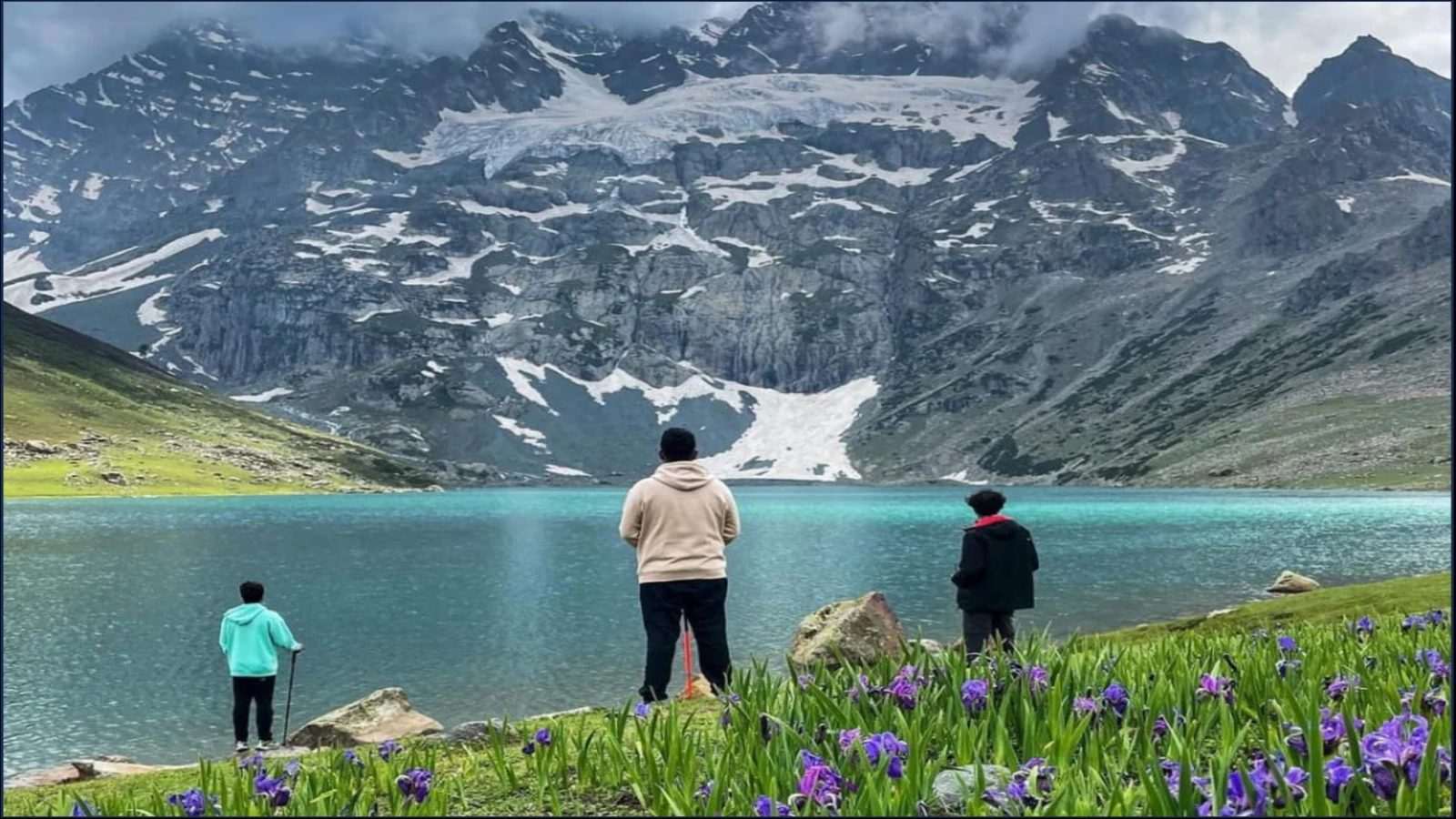
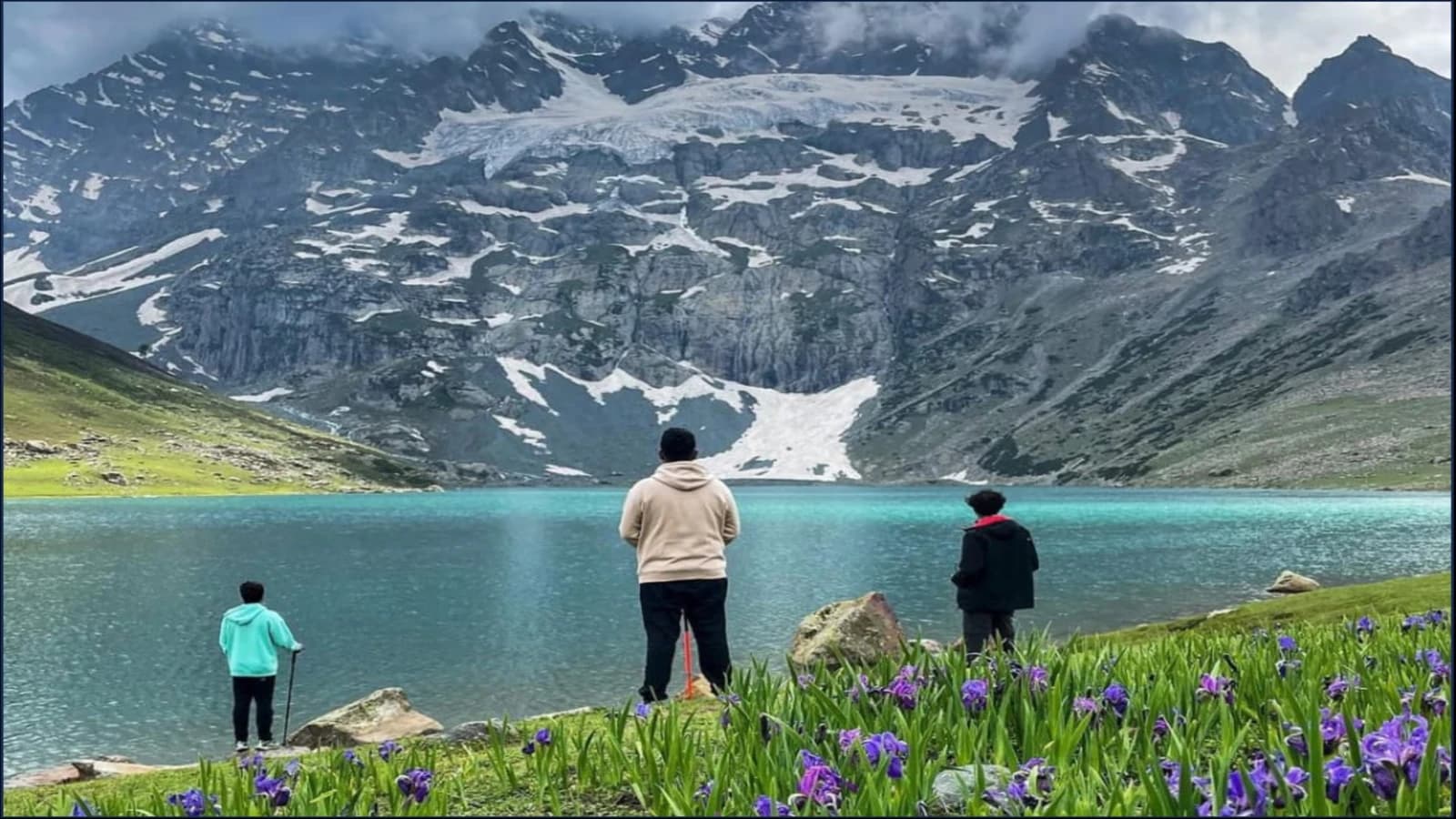
The Kashmir Great Lakes Trek, often referred to as the KGL Trek, is considered one of the most beautiful Himalayan treks in India. The route passes through a series of stunning alpine lakes surrounded by snow-capped mountains, vast meadows and high mountain passes. Starting near Sonamarg and ending in the Naranag region, the trek offers constantly changing landscapes with each day revealing a new lake, valley or mountain panorama. For trekkers seeking dramatic Himalayan scenery without extremely technical terrain, the Kashmir Great Lakes Trek is widely regarded as one of the most rewarding multi-day treks in the country.
Trek Summary
| Starting From | Srinagar | Ending at | Srinagar |
| No of days | 7 | Number of nights | 6 |
| Night stays at | Tent / Camp (6N) | ||
Kashmir Great Lakes Trek Overview
The Kashmir Great Lakes Trek usually spans around 7 to 8 days and covers a route that passes through several high-altitude alpine lakes in the Kashmir Himalayas. The trek begins near Sonamarg and gradually ascends through meadows, ridges and mountain passes before descending toward the Naranag region. Along the route, trekkers encounter multiple turquoise lakes such as Vishansar, Krishansar, Gadsar and Gangbal, each surrounded by dramatic mountain landscapes.
The trek is known for its constantly changing scenery, with every day revealing a new valley, alpine meadow or high-altitude lake.
Key Highlights of the KGL Trek
Multiple alpine lakes: Vishansar, Krishansar, Gadsar, Satsar and Gangbal
High mountain passes: Scenic crossings with panoramic Himalayan views
Expansive meadows: Vast green valleys dotted with grazing sheep and wildflowers
Changing landscapes: Every day offers a completely different environment
Camping beside lakes: Some campsites are located directly beside alpine lakes
Price Details
Trek Price
-
Trek price is ₹14,999 per person.
-
Prices vary depending on the departure batch.
-
Refer to the floating pricing panel for batch-wise pricing.
KGL Trek - Kashmir Great Lakes Trek Itinerary
Day 1: Srinagar to Sitkadi
Arrive at Srinagar International Airport. Meet at a central point in Srinagar. Take a shared cab from Srinagar to Shitkadi, Sonmarg. The entire ride will take about 4 hours to complete so sit back, relax, and enjoy a quiet charming drive.
Shitkadi is a small village inhabited by one of the oldest Kashmiri communities. Once you reach the village, our ground team will guide you to our campsite and welcome you with a warm heart. Kashmir is indeed very hospitable.
If you are early, you can take a walk around the campsite, or can go to Sonmarg, which is just 20 mins away. Your dinner is fixed with us, so come back by the evening and enjoy your steaming dinner. Overnight stay at a camp on twin-sharing basis
Day 2: Sitkadi - Nichnai
12 km / 7 hours / Moderate / 7800 ft to 11600 ft
Today is going to be an exciting day for you, as you will enter the valley for the first time. Wake up refreshed in the morning and have your luscious breakfast. Get ready to embark on the prettiest trek of the entire India. The moment you enter the valley, you will see a world only made up of glowing gross land and blooming meadows. It will be something you have never seen in your whole life.
The trail to Nichnai takes you through the vast meadows, dense forest of Maple, Pine, and Bhoj trees. Right after about 40 minutes, you will cross the first army check post. Here you will submit your ID proofs. Trek for some more time and suddenly you will have the greatest views of massive Sonmarg valley and white as milk Thajiwas glacier.
The specialty of this trek is the desire to keep walking right from the first day you wouldn’t want the day or the walk to end. You will feel like keep walking through the verdant meadows and enjoy the heavenly views. On the way to Nichnai, you will also pass through the Nichnai River flowing quietly and glittering under the glowing sun. When you will reach Nichnai, you will have your campsite somewhere in the middle of vast grassland and meadows. Settle yourself and enjoy the rest of the meals.
It is important that you take the trek slow and soak in every feeling KGL is all about the feels and pretty sensations.
Overnight stay at a camp on twin-sharing basis
Day 3: Nichnai - Nichnai Pass - Vishnusar
14 km / 7 hours / Moderate / 11600 ft to 13200 ft to 12000 ft
We hope you had one of the best nights yesterday. Wake up satisfied with the stunning natural beauty and do your scrumptious breakfast. One of the unique things about this trek is that almost every day, you ascend over the mountain pass for a while and then later descend to reach the campsite. Similarly, today you are going to ascend to the Nichnai pass which is about on hour-long steep ascend and then later pass on through the vest maple meadows. If you feel tired after ascending over the Nichnai pass, take a short break and then start descending towards Vishansar campsite.
By afternoon, you will reach the campsite and if you are hungry, eat your tasty lunch immediately.
Today's highlights are the astonishing Vishansar and Kishansar lakes. It is a small 20 minute trek from the campsite to the Vishansar lake and another about 20 minutes to Kishansar lake. Here will be the first introduction to the breathtaking lakes of Kashmir. Vishansar Lake stays frozen from October to July and is startling blue. Similarly, Kishansar lake being a twin lake also stays frozen and reflects amazingly blue throughout the year.
This place is also greatly visited by the local shepherds, therefore you might also see several herds of sheep grazing around. If you like interacting with new people, go around and have small chit chat with them. You might get to know an interesting story share later.
Overnight stay at a camp on twin-sharing basis
Day 4: Vishnusar - Gadsar Pass - Gadsar
16 km / 8 hours / Moderate to difficult / 12000 ft to 13700 ft to 10700 ft
Wake up, stretch yourself and go for a short run to wake up from the slumber. Today is going to be long trek. So, buckle up and refresh yourself.
Typically, first you will ascend to the Gadsar pass from Krishnasar. The climb is going to be steep and exhausting, so brace yourself beforehand. But apart from all of that, the trail is going to be surprisingly very beautiful and dazzling. Also Gadsar pass is the highest point of the entire trek which is 13,500 ft. Because there is not even a single tree on the pass, you can actually view the entire green valley from there.
From the Gadsar pass, you will trek down towards the famous Gadsar lake. The route from the pass to the lake is unbelievably beautiful with a narrow flowing just beside the route. Depending upon your pace you will reach the stunning Gadsar lake. All the great lakes of Kashmir are so breathtaking that you will want to spend all day long just sitting beside the lake. Spend some time to your own convenience and then start the trek to your campsite.
It will take about few hours to reach from the lake to the campsite. Also, just a few meters before the campsite, you will have the second army check post to sign up. Carry your official government ID to have a hassle-free pass. Once through the check post, reach the campsite and settle down. This campsite is also phenomenal in terms of beauty and the surrounding. Spend the rest of the day strolling around the grassland and have a good luscious dinner at night.
Overnight stay at a camp on twin-sharing basis
Day 5: Gadsar - Satsar
12 km / 5 hours / Moderate / 10700 ft to 12000 ft
We hope you had a wondrous night yesterday. Wake up early in the morning and experience the marvellous Kashmir valley down. Today is going to be a moderate trek of about 10 km long, so you can exercise in the morning accordingly. After you have done your breakfast, get ready to move again. Haven’t you noticed how amazingly different is each day. Even the grasslands change according to the valley and the day. Today’s grassland is going to be equally lush green but patched with blooming flowers.
Trekking through these meadows, it's very difficult to express what you feel. Kashmir Great Lakes trek is so incredible that putting the experience in the words is almost impossible. Few more meters into the trek, you visit the 3rd army post of the trek. Submit your ID proof copies here again. As you hike ahead, the valley will suddenly wide open with the views of the Satsar lake. After spending an ample time at the lake, proceed to the campsite and relax. Walking the entire route might be exhausting and tiring, so take this opportunity and chill for the rest of the day.
Overnight stay at a camp on twin-sharing basis
Day 6: Satsar - Zaj Pass - Gangabal
9 km / 6 hours / Difficult / 12000 ft to 13200 ft to 11500 ft
Wake up early and enjoy a quiet sunrise. Go for a short run and exercise a bit. Get ready for another beautiful trail. Today we will be proceeding from Satsar to Gangabal twin lakes. The route is mostly rocky and stony. The trail is a steep incline to Zaj pass and from there you trek down to Gangabal lake and camp near the Nandpol lake. The specialty of these lakes is that they sit quietly with the massive Harmukh peak sitting just behind them.
While you are observing the beautiful lakes, you will also see their glaciers sitting on the Harmukh peak. In large, this scene is amazingly beautiful and breathtaking. After you have had enough time around twin lakes, trek back to the campsite and relax. You will have evening snacks to savor and a nice luscious dinner to eat.
Overnight stay at a camp on twin-sharing basis
Day 7: Gangabal - Naranag - Srinagar
13 km / 6 hours / Moderate / 11500 ft to 7800 ft
Today is going to be the last day of the trek. Make the most out of it. Wake up as early as possible, stream in fresh air and go for a short jog to freshen up. The best thing about the last day is that you will have the most astonishing view and the longest route. After a tasty breakfast meal, get ready to embark on the last day.
The trail is mostly descending, and you stay active on the movements of knees & ankles. The route will be crossing the dense forest of Pine and descending to an altitude of 7,450ft. After you have reached Naranag, this journey to the heaven ends today. It's time for us to say goodbye to each other and cherish the memories we have made over the last one week.
Drop to Srinagar. Our services end here.
Why the Kashmir Great Lakes Trek Is One of the Most Scenic Treks in India
The Kashmir Great Lakes Trek stands out because of the sheer number of alpine lakes encountered during the journey. Unlike many Himalayan treks where a single destination marks the highlight, the KGL trek reveals a new lake or valley almost every day.
Trekkers walk through expansive meadows, cross mountain passes and camp beside pristine lakes surrounded by towering peaks. The variety of landscapes—from flower-filled valleys to rocky mountain ridges—makes this trek one of the most visually rewarding experiences in the Himalayas.
Lakes of the Kashmir Great Lakes Trek
One of the most unique aspects of the Kashmir Great Lakes Trek is the number of alpine lakes encountered along the route. Each lake has its own character and landscape, with different colors and surrounding terrain.
Some of the most well-known lakes along the KGL trekking route include:
Vishansar Lake
Often the first major lake encountered on the trek, Vishansar lies surrounded by grassy slopes and towering peaks. The campsite near the lake offers spectacular reflections of the surrounding mountains.
Krishansar Lake
Located close to Vishansar, Krishansar is another beautiful alpine lake known for its deep blue waters. The area around the lake is often visited by shepherds during the summer grazing season.
Gadsar Lake
Gadsar Lake lies near one of the higher passes on the trek and is surrounded by rugged mountain landscapes. The lake is known for its clear turquoise water and dramatic scenery.
Satsar Lakes
The Satsar region consists of a cluster of smaller alpine lakes spread across a high valley. Depending on the season and snow conditions, trekkers may see several of these lakes during the journey.
Gangbal Lake
Gangbal Lake is one of the largest lakes on the trek and lies at the base of Mount Harmukh. The lake is considered sacred and is one of the final highlights of the Kashmir Great Lakes Trek.
Trek Difficulty Level
The Kashmir Great Lakes Trek is generally classified as a moderate to challenging trek. While the terrain does not involve technical climbing, the trek includes long walking days, steep ascents and multiple high-altitude passes.
Trekkers should ideally have prior trekking experience and maintain good physical fitness before attempting the trek.
Best Time to Do the Kashmir Great Lakes Trek
Best Time to Do the Kashmir Great Lakes Trek is between July and September. During this period
Meadows are lush and green
Wildflowers bloom across the valleys
Most high passes remain accessible
Outside this window, heavy snow and extreme weather make the trek inaccessible.
How Many Days Are Needed for the KGL Trek?
Most itineraries for the Kashmir Great Lakes Trek range between 7 and 8 days, depending on the route and pace of the trekking group. This duration allows trekkers to gradually acclimatize to the altitude while comfortably covering the entire route.
It is advisable to have an extra buffer day to account for delays due to weather or otherwise
Starting and Ending Points of the Trek
The trek usually starts near Sonamarg, a scenic mountain region located about three hours from Srinagar. From here, trekkers ascend into the alpine valleys that form the route of the Kashmir Great Lakes Trek.
The trek typically concludes near Naranag, a historic village known for its ancient temple ruins and mountain landscapes.
Who This Trek Is Ideal For
Trekkers looking for one of the most scenic Himalayan routes
People with prior high altitude trekking experience
Adventure travelers seeking a multi-day alpine trekking experience
Due to the altitude and trekking distance involved, participants should be in good physical condition (mandatory requirement)
Preparation for the Kashmir Great Lakes Trek
Preparation should include regular physical training such as hiking, running or stair climbing to build endurance. Trekkers should also ensure they carry appropriate gear including waterproof clothing, trekking shoes and cold-weather layers.
A typical guidance for fitness is to cover 5 km in 35 minutes on a flat land.
Altitude acclimatization and proper hydration are important for a safe trekking experience.
Important Points for Kashmir Great Lakes Trek / KGL Trek
Travel Insurance and Doctor's Certificate is mandatory for the trek
Keep a day of buffer before booking your return flight/train ticket (to account for any delays due to weather or otherwise.
Total trek distance is 80 km. It will be covered in 6 days. That's a lot of trekking! And will surely test your fitness levels
Participants should have prior trek experience. Preferably one high altitude trek (12000+ ft) before this one is ideal (as you will know if you are vulnerable to high altitude sickness or not).
You will be out of mobile network area for all days of the trek. Please inform your loved ones that you will be lost in the most beautiful part of the world for next few days. You will resume mobile network only on Day 7.
Being hydrated during the trek is the mantra. Practise drinking enough water to keep yourself hydrated. It will also help reduce the symptoms of high altitude sickness.
Do not underestimate high altitude sickness. Even if you experience slightest of the symptoms, do inform the trek lead. He will check the oxygen levels. There will be emergency medicines and oxygen with the trek lead. Please note that emergency evacuation is not possible, so you are responsible for your fitness and health.
If you do not feel good even after few hours and are still experiencing the symptoms of high altitude sickness, abandon the trek immediately and return to Sitkadi. Trek lead will guide you how to do that. Remember, the only solution to high altitude sickness is to get to a lower altitude. There is NO other solution.
The trek has several steep ascents and descents. You need to be regular in your fitness regime. Can you cover 5 km in less than 35 minutes (on a flat track)? If not, get trained for it and be consistent with that for 2-3 months prior to the trek. Moreover, the trek also involves crossing boulders, that too huge ones. Can you do that with trembling legs?
Sounds scary? No, you need not be. It is a tough trek but can be done. Just be aware of certain symptoms, and keep talking to the trek lead, and you will be fine.
What to pack for Kashmir Great Lakes Trek?
Non-skid, deep treaded, high-ankle trekking shoes
Pair of lightweight Slipper/Sandals
Quick Dry Warm lower or Track Pants (2)
Full sleeves T-shirts / Sweatshirts (1 for every 2 days of trekking)
Pair of thick woollen socks (1 pair for every two days of trekking)
Thermal Body warmer Upper & Lower
Undergarments / Innerwear (1 for every day of trekking)
Warm jacket closed at wrist & neck (1)
Full sleeves sweater (1)
Rain wear (Jacket & Pants)
Pair of waterproof warm gloves (1)
Woolen cap (1)
Sun shielding Hat (1)
Rucksack bag with rain cover (1)
Day Pack Bag - Recommended for treks with summit days
Head Torch / Flashlight with spare batteries (mobile flashlight will not be enough)
UV protection sunglasses
Water Bottle (2) (1 litre each)
Utensils: Small size, Lightweight & Leak proof lunch box
Plate, Spoon, Coffee/Tea Mug
Your regular medicines and few others for emergency (if any)
Dry Fruits, snacks, soft drinks etc
Documents: Government issued Address Proof (Voter ID, Aadhaar, Driver's License, Passport) (mandatory)
Documents: Doctor's Certificate (mandatory)
Documents: Signed Disclaimer Form (will be shared before trekking) (mandatory)
What is included in the price?
Transport from Srinagar to Campsite on first day
Transport from campsite to Srinagar on last day
All meals during the trek (breakfast, lunch, evening snacks, dinner)
Accommodation on twin sharing basis at camps from Day 1 to Day 6
Highly Experienced Trekking Guide
Kitchen tents, toilet tents, sleeping tents, sleeping bags etc
Hot water for drinking purpose shall be provided on request.
Kitchen, dining and toilet tents will be used during the trek.
Cooks/Helpers for carrying common equipment like rations / tents / utensils / groceries
Skilled local staff who have ample knowledge of the route.
Accommodation - tents, sleeping bags, sleeping mats etc
Safety equipment - as per requirements and basic first aid kit with a portable oxygen cylinder
Permit - forest and camping fee included.
What are excluded from the price?
Airfare / flight tickets, train tickets, bus tickets etc.
Accommodation outside of camps
Baggage offloading charges / porter or mule charges
Travel Insurance
Anything not mentioned in inclusions
Starting From
₹14999
Per Person


